Why Are People Violent? It's Almost Never About Evil
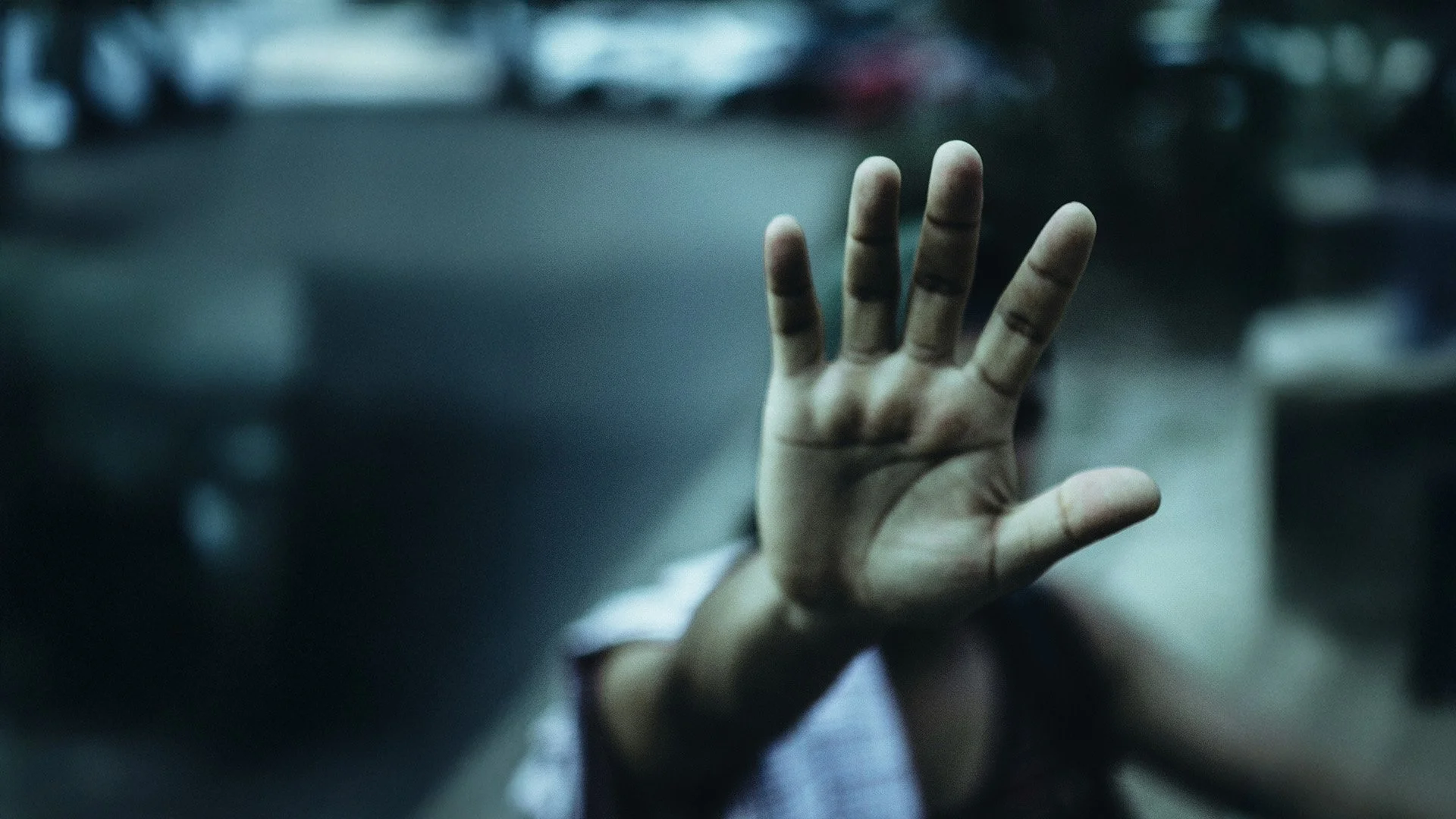
When we see violence in families, on the news, or in our own history, it's tempting to label people as “monsters” and move on. It gives us a sense of distance and safety: I'm not like them. They're just bad.
But the truth is more complicated — and more human.
Violence is almost never where the story begins. It is where the story ends when pain, fear, and shame have nowhere else to go.
Violence Begins in Childhood, Not in Adulthood
Most people who become violent did not grow up in peaceful homes. They grew up in places where:
Anger was louder than tenderness
Control was more important than connection
No one taught them how to feel and stay safe at the same time
A child in that environment learns very quickly: “If I don't dominate, I'll be dominated.”
Violence becomes a kind of “armour.” It says: You will not hurt me again. I will hurt you first.
This is not an excuse. It is a context. If we want to prevent violence, we have to start where it begins: in frightened, unprotected children.
The Nervous System in Survival Mode
When someone has lived with fear or chaos for a long time, their nervous system becomes wired for danger. Their body goes into survival mode at the smallest hint of threat.
The “fight” response can be triggered by things that are not actually life-threatening, such as:
Being criticized
Feeling disrespected
Being ignored
Feeling powerless or cornered
In these moments, the thinking brain goes quiet and the survival brain takes over. The person may lash out, break things, scream, or become physically violent — because on a deep level, their body believes it's fighting for its life.
Again, this doesn't make the violence acceptable. But it does make it understandable.
Shame: The Hidden Fuel of Violence
One of the most powerful drivers of violence is shame.
Shame says:
“I am not good enough.”
“I am nothing.”
“I am weak, stupid, unworthy.”
For some people, this feeling is unbearable. Violence becomes a way to push shame away:
If I make you small, I don't have to feel small.
If I scare you, I don't have to feel scared of you.
If I control you, I don't have to face how powerless I feel inside.
In this way, violence is often a desperate attempt to escape inner humiliation.
When Emotions Have No Words, They Come Out as Actions
Many violent people were never taught the basic language of feelings.
No one asked them:
“What are you feeling right now?”
“What do you need?”
“How can we handle this differently?”
Instead, they learned: Don't cry. Don't complain. Don't be weak. Toughen up.
So their emotional life stayed underground. And what cannot be spoken often gets acted out. Violence becomes the body's crude, tragic way of saying: I'm in pain. I'm terrified. I feel like I'm disappearing.
This Is Not About Excusing Harm
None of this is about letting violent people “off the hook.”
We must hold people responsible for the harm they cause.
But responsibility and understanding can exist together.
We can say: “What you did is not okay.” and also “Something happened to you that shaped you this way.”
When we only blame, we stay stuck in cycles of punishment and revenge.
When we also understand, we have a chance to interrupt the cycle for the next generation.
Breaking the Cycle
If we want less violence in the world, we have to build more:
Safe homes where children are allowed to feel and speak
Emotionally present adults who can regulate themselves
Support for survivors so their pain doesn't get passed along
Language for feelings instead of fists, silence, or terror
Most violent adults were once small children who had no power, no protection, and no one to help them make sense of what was happening.
That doesn't excuse what they do.
But it does remind us of a hard, hopeful truth:
Where violence begins — in fear, shame, and silence — is also where healing can begin.
This pattern is explored throughout The Witness, a memoir about fear, shame, and the long path toward emotional repair.