Why Do Humans Kill or Harm Animals?
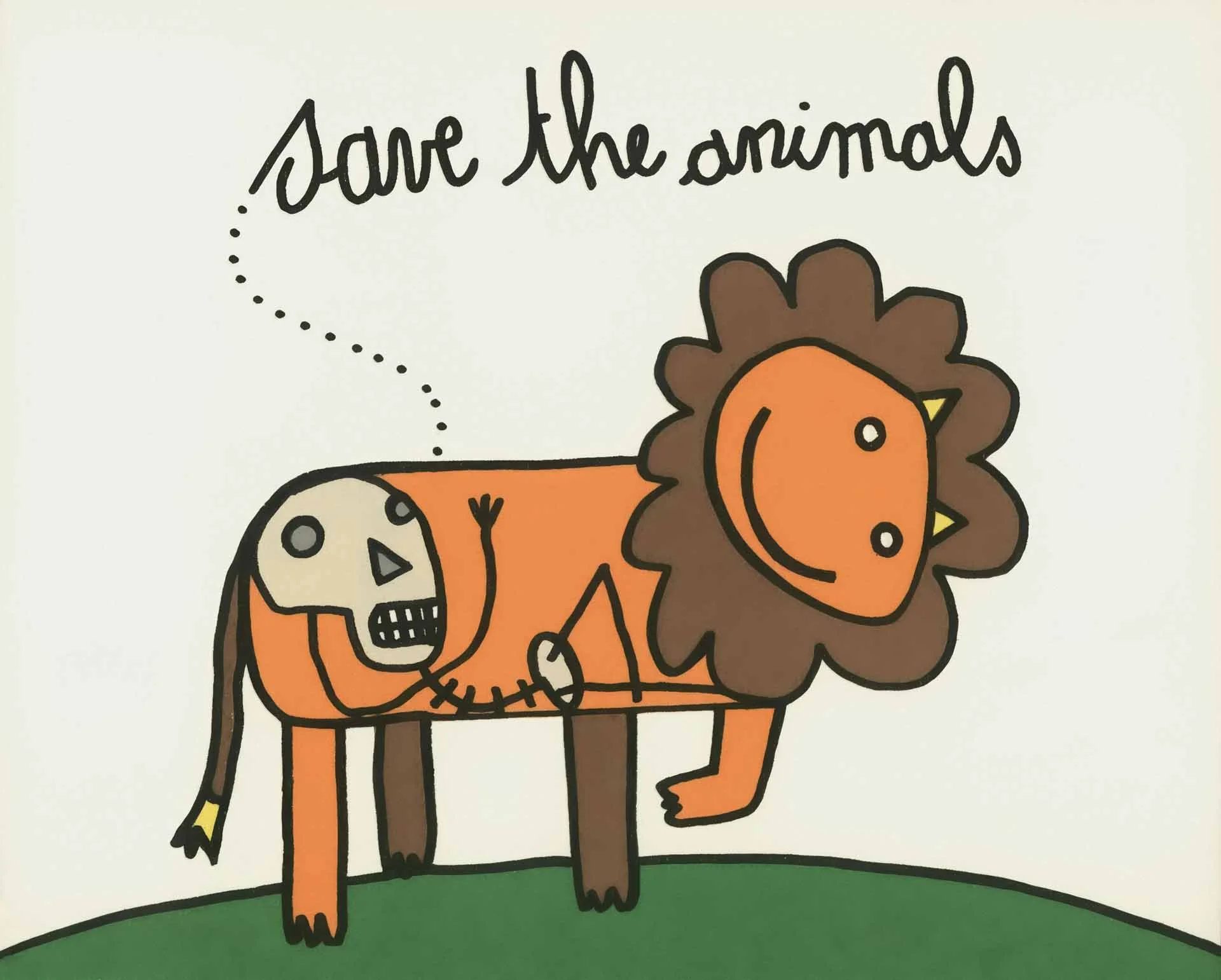
Most people instinctively recognize that harming animals without necessity isn't normal — and they're right. When someone kills or injures animals for no reason, it's often a sign that something inside them is unwell, even if they don't meet a clinical diagnosis.
Unnecessary cruelty usually points to deeper issues: emotional numbness, suppressed rage, or a lack of empathy that often traces back to childhood trauma. People who grew up in harsh or emotionally cold environments sometimes learn that power comes from dominance, not connection. Hurting an animal becomes a twisted outlet for feelings they don't know how to express.
This doesn't automatically mean a person is “mentally ill,” but it does suggest emotional injury. Healthy, emotionally regulated people simply don't harm living creatures for pleasure, control, or convenience.
Understanding this helps us move away from viewing such behaviour as random or meaningless. Instead, we can see it as a signal — a sign of unresolved pain, a hardened heart, or a child in an adult body who never learned empathy.
Cruelty isn't born from strength.
It's born from wounds left unattended.
This pattern is explored throughout The Witness, a memoir about fear, shame, and the long path toward emotional repair.